By Peter Anderson
ortodossi e sinodalità book x
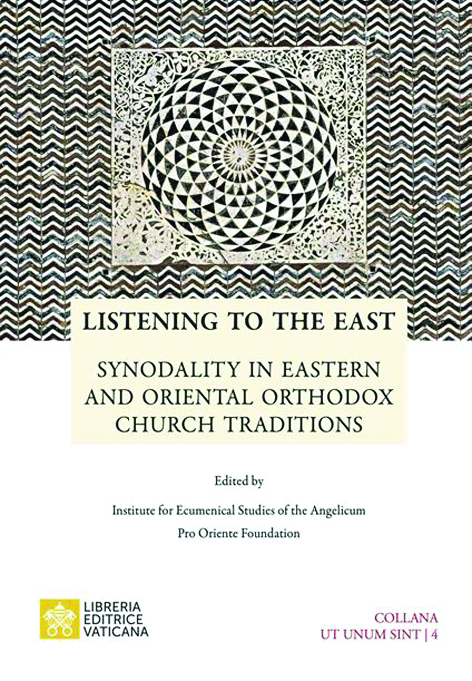
A book and a conference that, during the Catholic Synod on Synodality, invited observtion of the experience of synodality in eastern and oriental Orthodox Church traditions.

cq5dam.web.1280.1280 x
A book and a conference that, during the Catholic Synod on Synodality, invited observtion of the experience of synodality in eastern and oriental Orthodox Church traditions.
On October 26, 2024, the XVI Ordinary General Assembly of the Synod of Bishops of the Catholic Church issued its Final Document on the subject, “For a Synodal Church: Communion, Participation, Mission.” The Final Document is the culmination of a long process that began three years ago and included consultations at the diocesan, national and continental levels. The Final Document was approved by Pope Francis, who elected not to issue his own apostolic exhortation at the conclusion of the Assembly.
Traditionally, a “synodal church” has been understood to be a church governed by a synod, such as the Orthodox and other Eastern churches. Unlike the Catholic Church, where the Pope is the highest authority, the highest authority of various local Orthodox Churches is their synod, which is composed of a group of bishops including the primate.
Since 2006, the Catholic–Orthodox Joint International Commission for Theological Dialogue has been discussing the relationship between “synodality” and “primacy.” In the dialogue, “synodality” describes the Orthodox form of governance, while “primacy” relates to the authority of the Pope to govern the church. The dialogue is seeking to reconcile these two concepts.
In the past, Pope Francis has stated that the Catholic Church must learn from the Orthodox and Eastern churches about synodality. As recently as September 28, 2024, Pope Francis stated in a meeting with Belgian Jesuits: “The Easterners have not lost synodality; we have lost it.”
Strangely, the Final Document says nothing about learning from the Eastern churches about synodality. The word “Orthodox” is never used in the Final Document. The reason for this silence may well be that the Final Document expands the concept of “synodality” far beyond the concept of “synodality” traditionally recognized by the eastern churches.
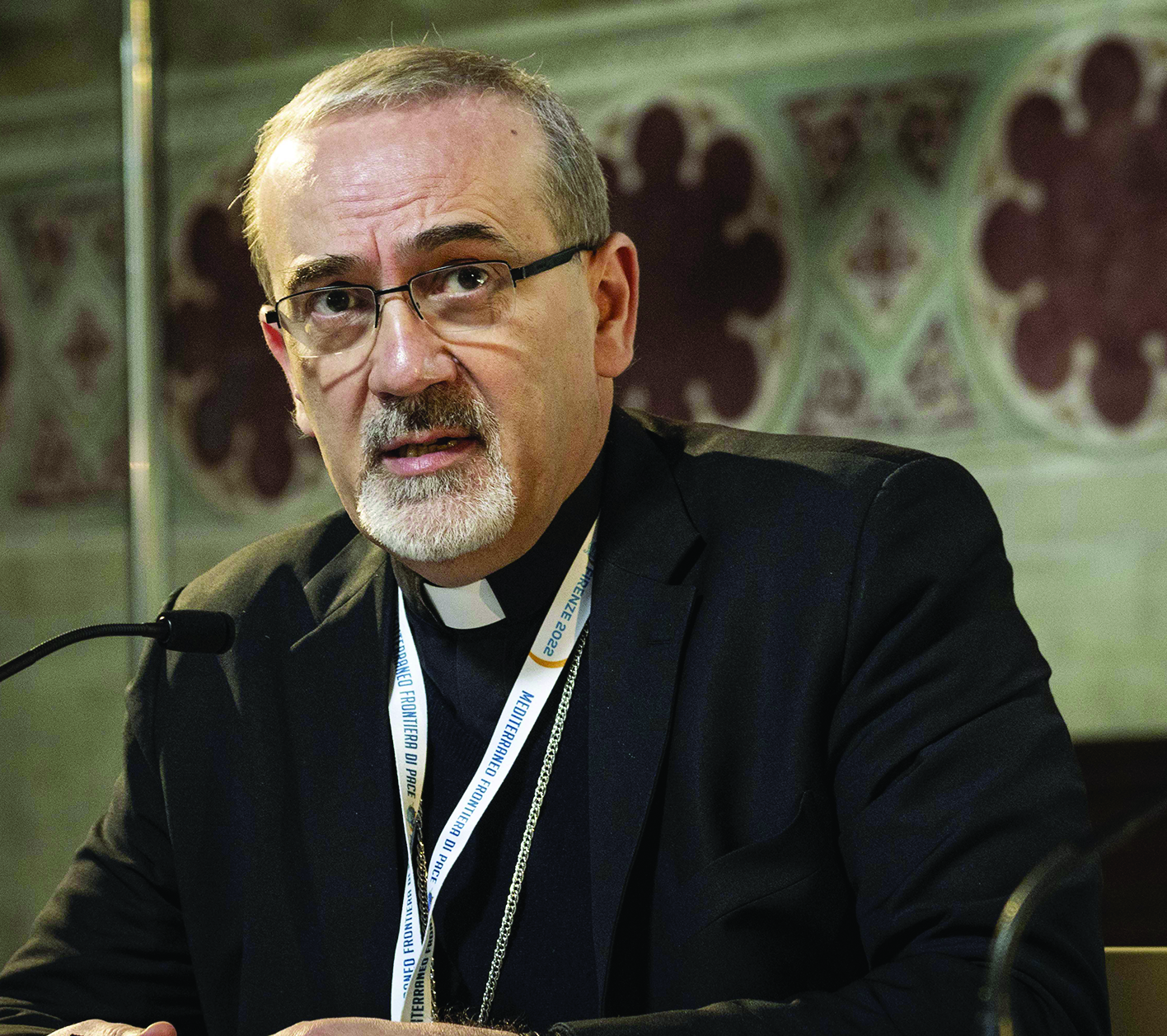
One of the non-voting “fraternal delegates” invited to attend the Catholic Synod was Metropolitan Job of Pisidia (of Ecumenical Patriarchate of Constantinople). Metropolitan Job is also co-president of the joint commission. In his address at the Synod, Metropolitan Job stated that “a synod is a deliberative meeting of bishops, not a consultative clergy-laity assembly.” He added: “In light of this, we could say that the understanding of synodality in the Orthodox Church differs greatly from the definition of synodality given by your present assembly of the Synod of Bishops.”

Metropolitan Job of Pisidia (of the Ecumenical Patriarchate of Constantinople) who declared himself disappointed by the conclusions of the Catholic Synod
Rather than relying on historical use, the Final Document stated that “thanks to the experience of recent years,” the meaning of “synodality” has been “better understood.” In it, synodality is broadly defined as “the walking together of Christians with Christ and towards the Kingdom of God, in union with all humanity.”
In this regard, the Final Document emphasizes the role of the “People of God,” stating: “Encouraging the widest possible participation of the whole People of God in decision-making processes is the most effective way to promote a synodal Church.” The Assembly itself included a substantial number of non-bishops who had the right to vote.
The difference between the historic concept of synodality held by Metropolitan Job and the broad concept expressed by the Final Document does not mean that the role of the laity will necessarily be markedly different in the Orthodox and Catholic Churches. At the present, the laity are very active in the affairs of the Orthodox Church, although bishops usually maintain ultimate control.
On the other hand, the broad language of the Final Document does not mean that the traditional role of Catholic bishops will be eliminated. Still, there is a marked difference in the two concepts of synodality, and this will not bring Catholics and Orthodox closer together.